the issue – in a nutshell
High prescription drug costs continue to pose a significant challenge in the U.S. healthcare system, primarily driven by the lack of centralized price regulation seen in other countries. A 2022 HHS report highlights the disparity: U.S. drug prices across all categories—brand-name and generics—were nearly 2.78 times higher than those in peer nations. The gap is even more pronounced for brand-name drugs, which were priced at least 3.22 times higher in the U.S., even after factoring in estimated rebates. However, the U.S. remains relatively competitive in the generic drug market, where prices averaged just 84% of those in comparable countries. This suggests that while market forces may help contain costs in the generic space, systemic policy differences drive the premium paid for branded medications.
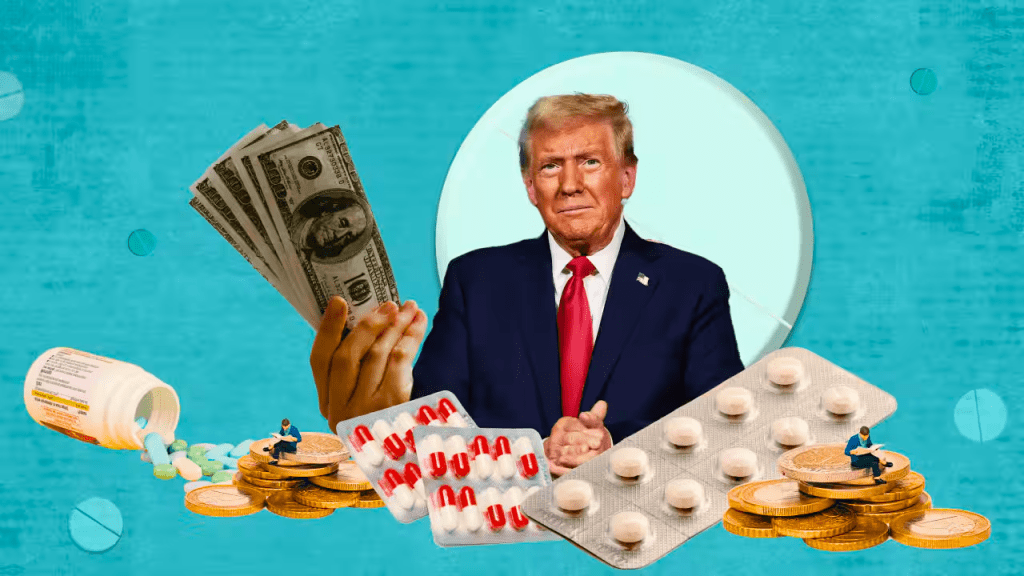
President Donald Trump’s policies have had a complex and often contentious impact on the pharmaceutical sector. Trump has repeatedly criticized high drug prices and pushed for reforms to lower costs for American consumers. He recently again introduced the “Most Favored Nation” rule or MFN, which seeks to tie U.S. drug prices to those in other developed countries and increases pressure for drug pricing transparency. MFN—also called the MFN principle or clause—is a core tenet of the World Trade Organization (WTO). Member countries must extend equal trade treatment to all other WTO members. In practice, if a country offers a trade benefit to one member, it must provide the same benefit to all others. This principle ensures non-discrimination among trading partners and supports open, fair, and consistent global trade. There are exceptions, such as countries extending preferential treatment to other countries within the same region.
The latest executive order signals a more aggressive federal stance on drug pricing, outlining potential enforcement actions for manufacturers that fail to demonstrate substantial progress in cost reductions. Key measures include directing HHS to draft a formal rule to implement the policy, expanding drug importation pathways, re-evaluating pharmaceutical exports, and authorizing the FDA to modify or withdraw approvals for drugs considered “unsafe, ineffective, or improperly marketed.” During Trump’s first term, he enacted the “Most Favored Nation” proposal. Still, it was limited to select Medicare drugs and ultimately blocked by federal courts before being rescinded by the Biden administration in 2021. Unlike that initiative, the current order is broader in scope—cutting across payers and drug categories—potentially impacting both commercial strategies and regulatory planning for biopharma companies.
the push-back from pharma
These measures are facing significant resistance from the industry and will be challenged in court, which could limit their implementation. Under his renewed leadership, trade policy has taken center stage. New tariffs, particularly those targeting China, have raised concerns within the pharmaceutical and biotech sectors. Industry leaders fear these tariffs could disrupt global supply chains, increase manufacturing costs, and even lead to new tariffs on pharmaceutical products. This move could directly impact R&D investment and access to medications.
The largest drug makers’ lobby group in the US – PhRMA, state that the MFN will threaten innovation and negatively impact patients. PhRMA CEO in a statement had this to say on this –
“The Administration is right to use trade negotiations to force foreign governments to pay their fair share for medicines. U.S. patients should not foot the bill for global innovation,” –
“Importing foreign prices from socialist countries would be a bad deal for American patients and workers,” Ubl said. “It would mean less treatments and cures and would jeopardize the hundreds of billions our member companies are planning to invest in America – threatening jobs, hurting our economy and making us more reliant on China for innovative medicines.”
Stephen Ubl, PhRMA’s CEO
On the other hand, if we look through the patient-centric lenses, there is much evidence that transitioning to international reference pricing can benefit the U.S. patient. According to a study published by RAND (a non-profit think tank and a research institute) in the Journal of Medicine – “Estimated Savings From International Reference Pricing for Prescription Drugs,” the Congressional Budget Office estimated that applying international reference pricing—a cost-control mechanism common in other countries—would cut Medicare spending by $456 billion over a decade. The cost savings vary by the drug, the paper states. If U.S. drug spending were aligned with international net prices, they would have reduced expenditures on oncology therapies by 53.7%. For insulin products—spending would have decreased by 44.4%. These findings highlight the potential fiscal benefits of international reference pricing, particularly in high-cost therapeutic areas.
While this represents a significant step toward federal cost containment, it poses significant challenges for the pharmaceutical industry. It could potentially exert downward pressure on U.S. drug prices and alter long-term revenue projections for both large and emerging biopharma companies. The biotech sector should closely monitor how these directives are translated into agency rule-making, as they could introduce new compliance risks, market access hurdles, and pricing pressures, particularly for high-cost specialty and innovative therapies.
 Last Stop Biotech
Leave a comment