Remember 23andMe? Yes, the company that was once valued at $6 Billion, with the capital B. Yesterday, Regeneron Pharmaceuticals announced the purchase of 23andMe for $256 million. This purchase has reignited discussions surrounding the protection of consumer data (especially genetic DNA data), and there is a vast public apprehension about what Regeneron exactly plans to do with the data it has acquired. Let’s get into it, starting from revisiting 23andMe at its peak.
2021
23andMe, headquartered in South San Francisco, was founded in 2006; 23andMe quickly became the first company to offer autosomal DNA testing for ancestry—a method now adopted by all major competitors. In 2008, Time named its saliva-based direct-to-consumer genetic testing one of the year’s top inventions. In 2021, it became a publicly traded company and obtained a market capitalization of $6 billion. In a short three years, 23andMe filed for Chapter 11 bankruptcy, CEO Anne Wojcicki resigned from the company, and the company stock had fallen more than 97% since going public. Where did it all go wrong?
medical research
More than 80% of 23andMe customers have consented to using their data for research purposes. The company’s scientists analyze aggregated customer data to study inherited disorders, and 23andMe also licenses this data to pharmaceutical and biotechnology companies for their research—additionally, the company partners with academic institutions and government researchers. In July 2012, 23andMe acquired CureTogether, a crowdsourced platform with treatment ratings and data covering over 600 medical conditions. Customers may opt-in to allow their genetic data to be used in research that could be published in scientific journals. However, even if a customer declines to share their “personal information,” their “genetic” and “self-reported” data may still be used and shared with approved third-party service providers.
In 2015, the company shifted toward drug discovery under the leadership of former Genentech executive Richard Scheller. One of their key targets is Parkinson’s disease, with efforts focused on mining their genetic database for rare variants that could lead to new treatments. 23andMe also entered into research agreements with Pfizer to investigate genetic factors behind inflammatory bowel diseases, including Crohn’s disease and ulcerative colitis.
Then, in July 2020, GSK and 23andMe progressed their first jointly developed asset into clinical trials—a potential first-in-class cancer therapy originally discovered by GSK and was then co-developed by both companies. Before their collaboration, each company had worked on similar programs independently, with GSK’s candidate ultimately selected for advancement. The therapeutic target was genetically validated by 23andMe using its proprietary algorithm, which analyzes potential drug targets against a unique dataset derived from the 23andMe research platform. This dataset integrates extensive genetic information with thousands of phenotypic traits (non-genetic data), helping scientists from both organizations uncover genetic patterns and identify promising drug candidates.

In 2024, 23andMe shut down its cancer therapeutic R&D division, which was comprised of immuno-oncology antibody drugs for various solid tumors. The consumer genetics company laid off over 200 employees—approximately 40% of its workforce—to focus on its core offerings: personalized DNA and ancestry testing, along with its telehealth services and research support for pharmaceutical companies. Their first asset, 23ME-00610, was an immune checkpoint inhibitor targeting CD200R1, and their second asset was 23ME-01473 for treating people with advanced solid tumors. 23andMe stated that it identified these targets by utilizing its extensive database of genetic variants and has also been investigating preclinical assets in immunology and inflammation. Amid these layoffs and restructuring last year, 23andMe lost many board members as the company’s stock struggled to be listed on the stock exchange.
Troubles with fda + consumers
Along with 23andMe’s struggle to break out into developing therapies, they have also had frequent run-ins with the FDA since 2008. 23andMe’s clashes with the U.S. Food and Drug Administration (FDA) have primarily revolved around its direct-to-consumer (DTC) genetic testing services and concerns about regulatory compliance, accuracy, and potential consumer harm. In 2013, 23andMe had some significant clashes. In November 2013, the FDA issued a warning letter to 23andMe, ordering the company to stop marketing its Personal Genome Service (PGS), which included health-related genetic risk reports. The FDA cited 23andMe’s failure to provide sufficient evidence of its tests’ accuracy and clinical validity, particularly those related to health conditions like cancer and drug response. As a result, 23andMe was forced to halt sales of health-related genetic tests, though ancestry and raw data services remained available. Things improved in 2015 and through 2017 when the FDA started to approve specific tests being rolled out by 23andMe. In 2015, the FDA approved 23andMe’s carrier screening test for Bloom syndrome, marking the first FDA authorization of a DTC genetic test. In 2017, the FDA approved 10 genetic health risk reports, including those for Parkinson’s and late-onset Alzheimer’s. This was a significant milestone in restoring 23andMe’s health-related offerings. Since 2017, 23andMe has faced criticism from medical professionals and ethicists.
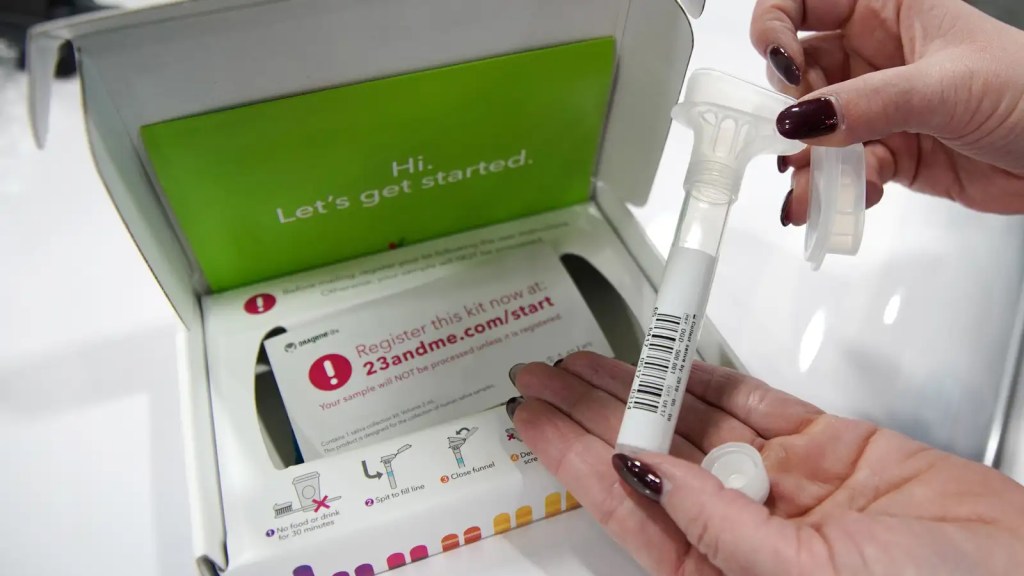
In the early years, the growth of 23andMe was because of the significant consumer confidence and interaction with their genetic testing products. 23andMe benefited from being the first mover in autosomal DNA testing for ancestry and health insights. On top of gaining FDA approvals during 2015-2017, they retained high user trust as ~80% of their consumers opted to participate in ongoing research the company was directly part of or financing. But it wasn’t enough to sustain or grow their consumer base for the long term. The FDA Clashes in 2013, with the public dispute with the FDA over unapproved health claims, led to a temporary loss of trust and a pause in health report offerings. Data privacy concerns arose as 23andMe began monetizing genetic data through partnerships with pharma companies (e.g., GSK), and some users became wary about how their information was being used—even if anonymized. Security incidents, such as the infamous October 2023 data breach where hackers obtained information on 7 million 23andMe customers, derailed customer confidence significantly. Data such as names, family tree information, ancestry reports, and, in some cases, self-reported locations and pictures were leaked.
What does Regenron aim to do with 23andme?
According to the press release by 23andMe, “Regeneron will acquire substantially all of the assets of the Company, including the Personal Genome Service (PGS), Total Health and Research Services business lines, for a purchase price of $256 million. The agreement does not include the purchase of the Company’s Lemonaid Health subsidiary, which the Company plans to wind down in an orderly manner, subject to and in accordance with the agreement.” What Regeneron will do with this data is up for speculation unless you are an insider in the Company’s operations. I think they are acquiring the genetic database to support the development of new monoclonal antibody-based therapeutic proteins. They will use this patient data to screen for premier antibodies using their proprietary VelociSuite technology platform. These technologies enable Regeneron to identify the most promising genes in the genome for therapeutic intervention and quickly develop high-quality, fully human antibodies as potential drug candidates targeting those genes. We will be closely watching; stay tuned for updates.
 Last Stop Biotech
Leave a comment